A Year of Preparation in Days: Behind the Scenes of Our MICE Trade Fair
A Trade Fair Lasts One Day — Its Preparation a Whole Year
 © eap
© eap
When the doors open on exhibition day, everything seems effortless. Visitors experience conversations, connections, and inspiration. Yet behind every fair is a dedicated team and months full of ideas, planning, and collaboration. Our KnoWhere! takes place only once a year — and that’s exactly why every step leading up to it matters, from the first idea to the last cable being laid.
We take you behind the scenes to show how our ideas turn into a personal, inspiring trade fair experience.
1. The Vision: Quality Over Size
At the beginning, there isn’t a to-do list. There’s a question:
"How do we create a trade fair that inspires, connects, and delivers real value?"
Our answer: Especially at a smaller, more personal event, every detail counts. Every square meter, every activity shapes the experience. The goal isn’t size — it’s quality: enabling encounters, fostering exchange, creating inspiration.
Ideas emerge in brainstorming sessions: some concrete, some vague, some perhaps a little too ambitious. They are collected, discarded, and developed further.
2. The Team: Small Group, Big Impact
Behind a small trade fair is a closely connected organizing team: project management, technology, marketing, and logistics working hand in hand.
Preparation is shaped not only by meetings and timelines, but also by the small moments — spontaneous thoughts, discussions, laughter, and joint problem-solving.
"What if we did this differently?" or "Could we make this more personal?"
Every idea and every decision helps bring the event to life. This dynamic is exactly what makes the process special.
3. Planning & Preparation: From Concept to Reality
Months before the fair, the concept takes shape and vision becomes planning. Floor plans are created. Booths are coordinated. Partners and speakers are involved. Technical setups are organized. Processes are defined.
Everything has to fit together, provide real value for everyone involved, and interlock smoothly — like a large puzzle. This is where it becomes clear how many details must align, because especially at smaller events, mismatches are noticed immediately.
That’s why things are coordinated, reviewed, and adjusted — always with the aim of ensuring both exhibitors and visitors benefit.
 © Lisa Rastl
4. Setup & Technology: Ideas Become Visible
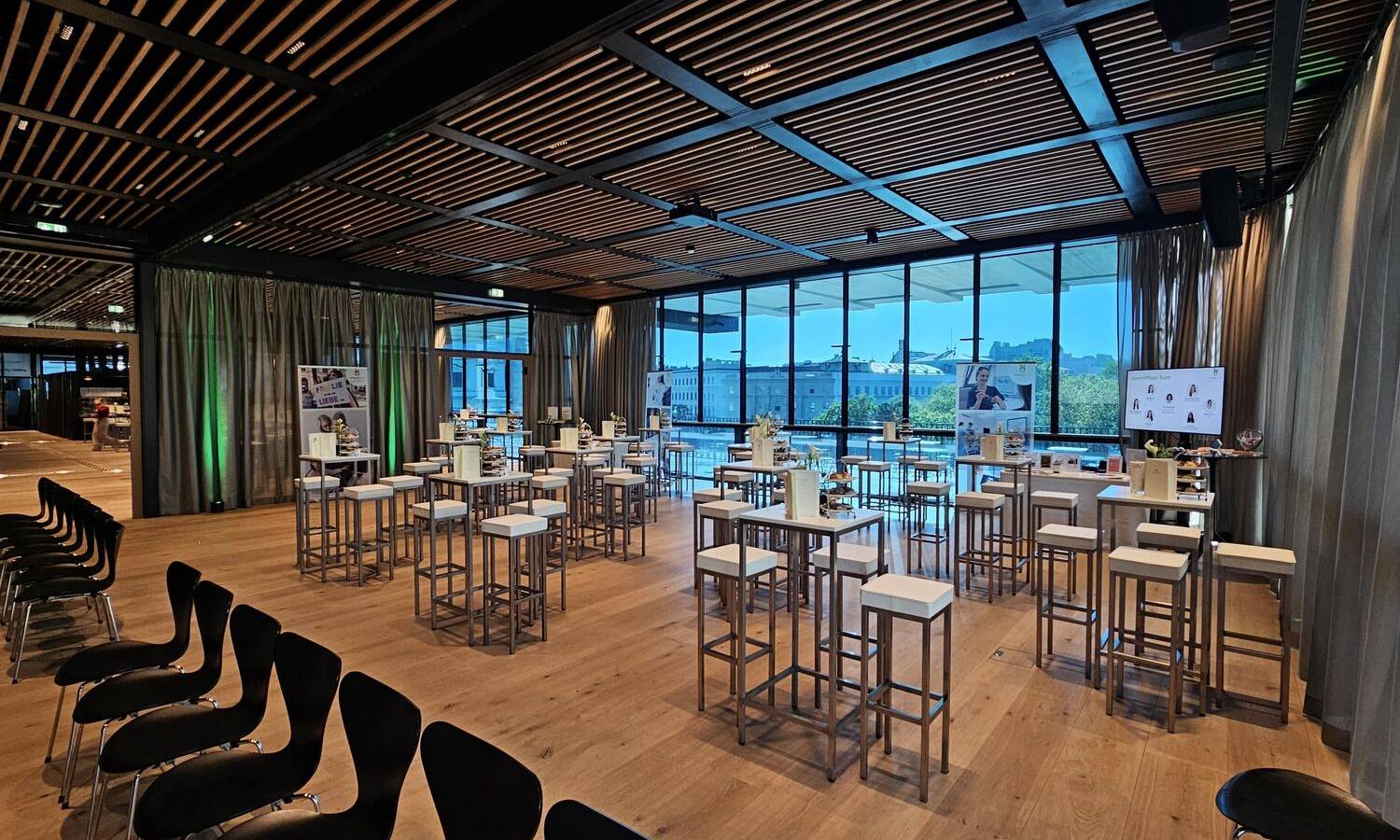
A few days before the fair, our plans become tangible: booths, technical equipment, signage, and procedures are fine-tuned down to the minute. The day of the event arrives. Rooms fill up, booths are assembled, technology is installed. With every completed element, anticipation grows. Everything must be in place before the doors open.
"Is everything ready? Can we start?"
A moment full of focus, excitement, and a touch of nervousness — because now months of preparation become a real experience.
5. Showtime: Encounters That Matter
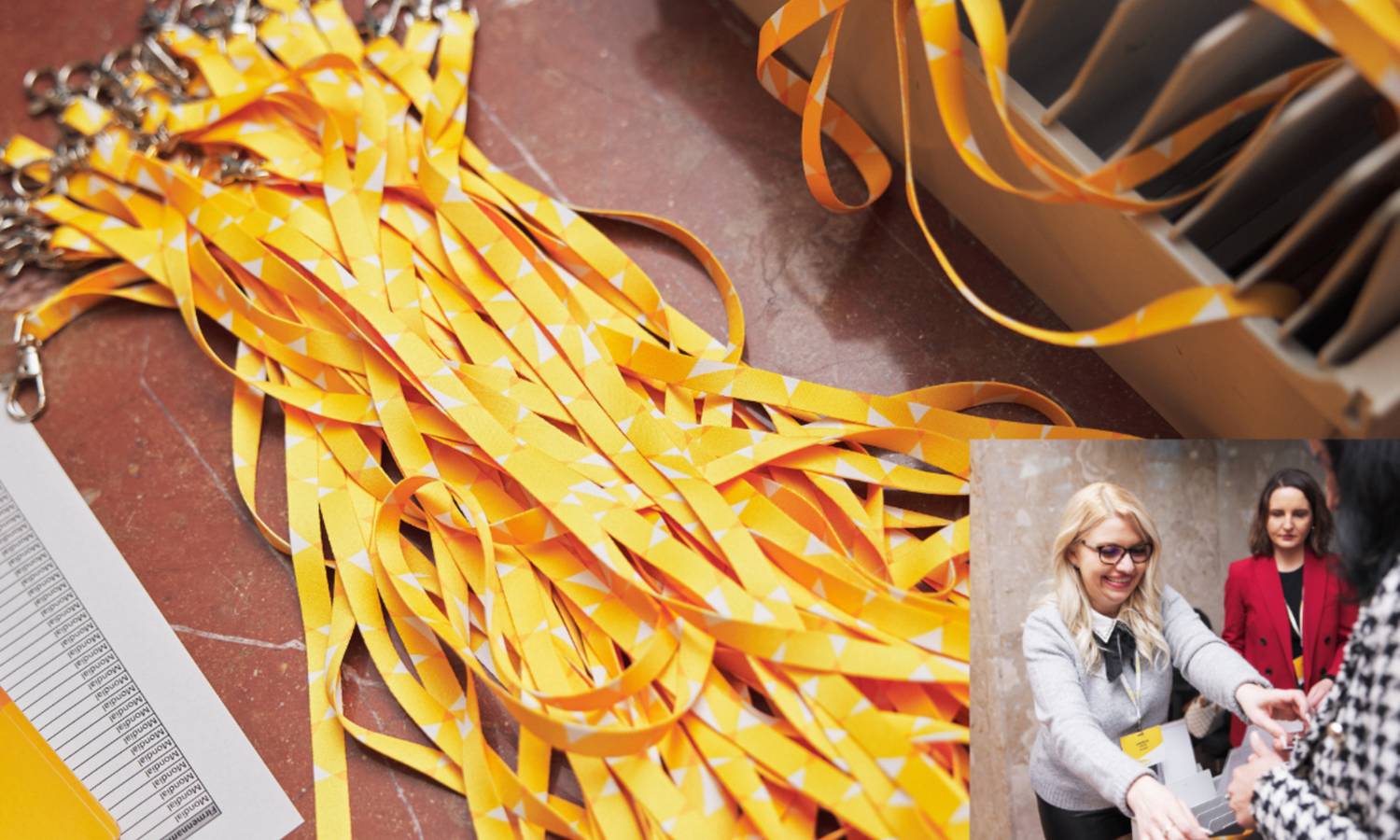
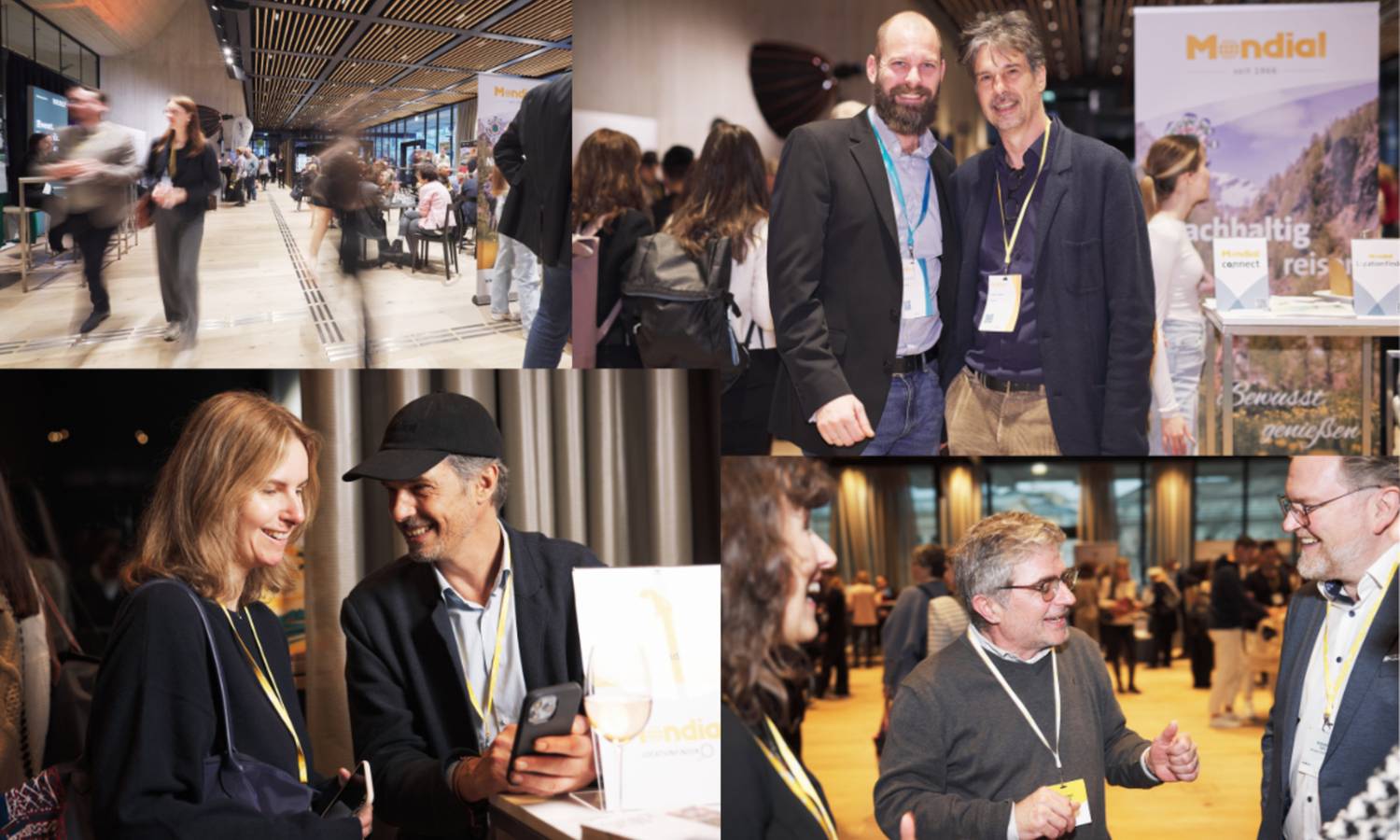
Then the doors open. Visitors enter, conversations begin, ideas are exchanged, and connections are made.
The fair is underway. For our team, this is when planning turns into reality.
We observe, support, react — and celebrate when everything runs smoothly. Every hour of preparation is reflected in the experience. This is the moment we worked toward.
 © eap
© eap
Conclusion: Learn, Enjoy, Evolve
The strength of a smaller trade fair? Closeness, intensity, personal encounters. Every experience is valuable. And when the fair ends, the work doesn’t: feedback is reflected on, and new ideas for the next year already begin to form.
In the end, it’s not just about organization or processes. It’s about people, exchange, and experiences that last.