Deep Work Made Easy: How Workations and Retreats Boost Focus
Deep Work Made Easy: Workation & Retreat Tips
 © Canva
Your laptop is on the table, the sun is shining outside, the birds are chirping. A quick glance at nature, a deep breath. No spontaneous meetings, no office hustle and bustle—and suddenly you enter a focused work phase, where ideas flow more easily than in the office.
What might sound like a vacation has long become part of a new way of working: workations and retreats. More and more people and teams are consciously leaving the traditional office to work in a way that is more focused, creative, and productive.
A key factor: Deep work – uninterrupted, intensive work phases in which complex tasks really move forward. Instead of juggling meetings, emails, and spontaneous interruptions, workations and retreats create the conditions that make these deep focus phases possible – far away from the usual office environment.
Why Focused Work is Often Hard in the Office
In a traditional office, deep concentration and creative work are often difficult to achieve. You know the feeling: you work all day, but meetings, spontaneous conversations, emails, or chat messages constantly interrupt your flow, and progress on your tasks feels slow. The result: strategic or creative projects often get only superficial attention.
Workations and retreats address this problem: they create space for uninterrupted deep-work sessions and focused work.
Workation: Focus in an Inspiring Environment
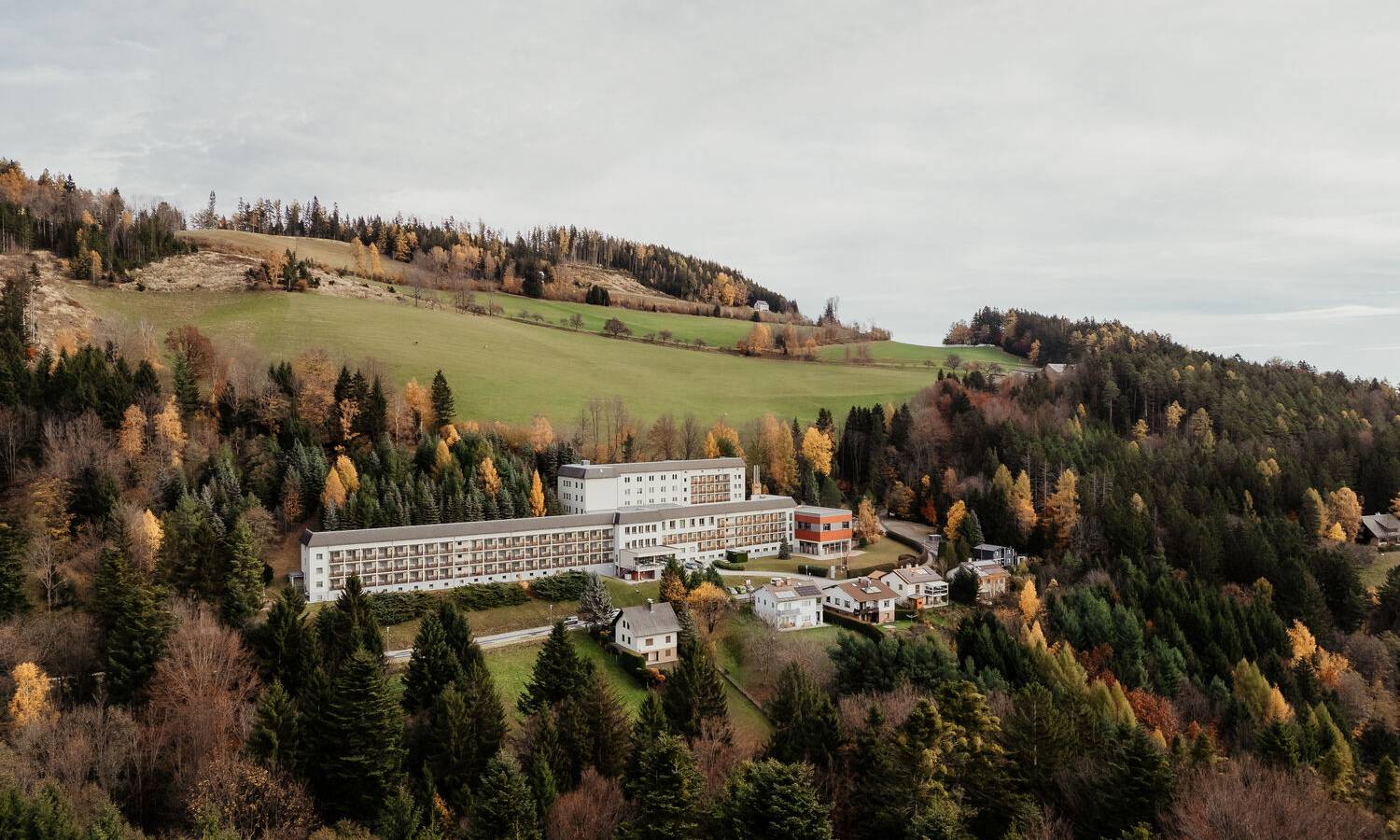
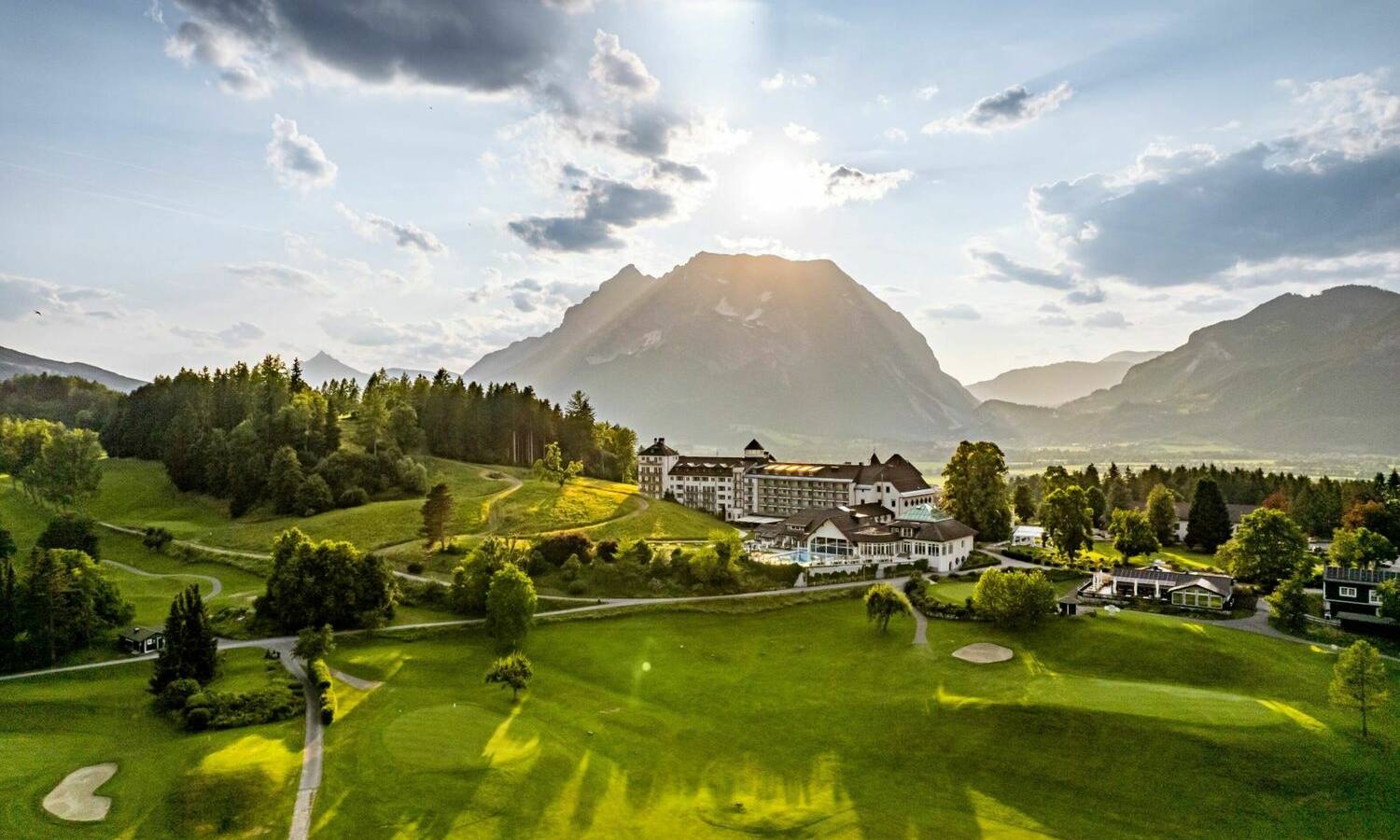
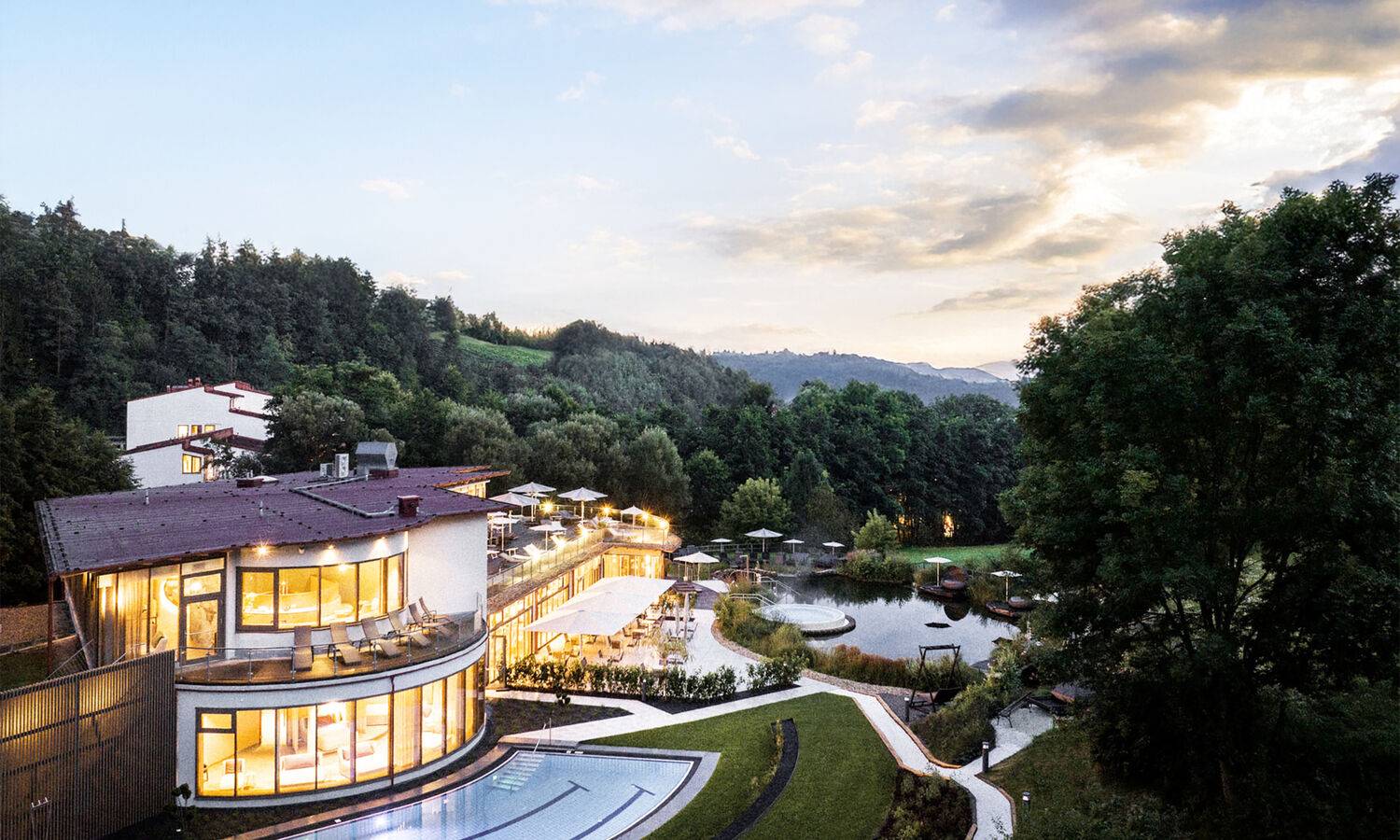
During a workation, your workplace is intentionally moved to an inspiring location – often in nature or at creative spaces. Work remains part of your daily routine, but takes place away from the office.
Benefits of a workation:
- New environment brings fresh perspectives
- Fewer distractions, longer deep work sessions
- Clearer structure between work and leisure
- Increased creativity and motivation
Many people structure their workation with set work blocks: focused work in the morning, free time or team interaction in the afternoon.
Retreats: Teamwork and Fresh Perspectives
Retreats are often designed for teams and are more structured than workations. While workations are frequently individual, retreats focus on team goals, collaboration, and deep focus.
Main benefit: stepping away from daily business creates space for intensive discussions, new ideas, and concentrated work phases.
Typical retreat activities:
- Strategy development and project planning
- Team building
- Creative workshops
- Personal reflection
Teams often discover how valuable a few days away from the office can be – collaboration becomes deeper, and ideas emerge more spontaneously.
Deep Work: Concentration that Works
Deep work means working on tasks in a concentrated, undisturbed, and focused manner.
Examples:
- Strategic thinking and planning
- Creative projects and innovation
- Writing and concept development
- Complex project work
- Workshops and team-building
These tasks require time, calm, and focus – exactly what workations and retreats provide. They intentionally create conditions in which deep work truly succeeds.
 © Canva
Tips for a Productive Workation or Retreat
To make your change of environment actually boost focus and productivity, follow a few simple rules:
1. Plan clear work blocks
Schedule 2–4 hours of focused deep work sessions per day, ideally in the morning. Short breaks help maintain concentration.
2. Reduce distractions
Turn off notifications, set fixed email times, and minimize meetings.
3. Set concrete goals
Focus on tasks that require deep concentration – creative projects, complex problem-solving, or strategic topics.
4. Choose your environment intentionally
An inspiring location increases motivation and creativity. Nature and calm further enhance focus.
Conclusion: Distance Creates Clarity
Workations and retreats are more than just a trend. They show that productive work doesn’t have to happen in an office. By consciously changing your environment, you reduce distractions, gain new perspectives, and finally make time for deep work phases.
Whether you’re working alone on a project or with your team on strategic goals – the best ideas often arise where we deliberately step away from everyday routines.
Our Tip:
Pack your laptop, pick an inspiring location, and see for yourself how productive work can be away from the office.